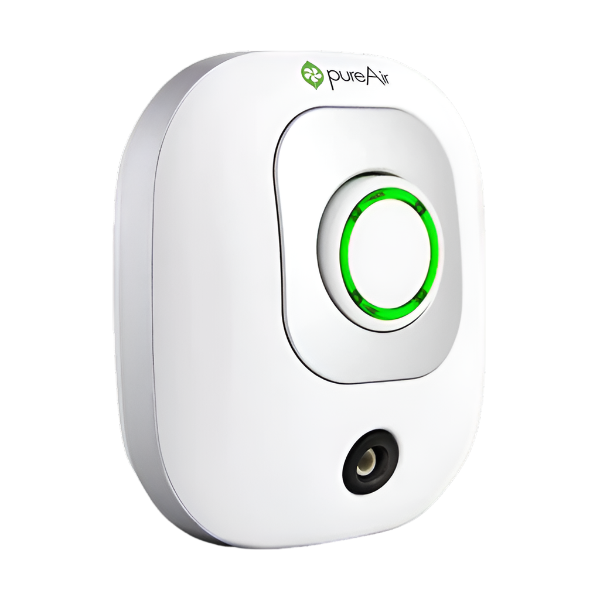
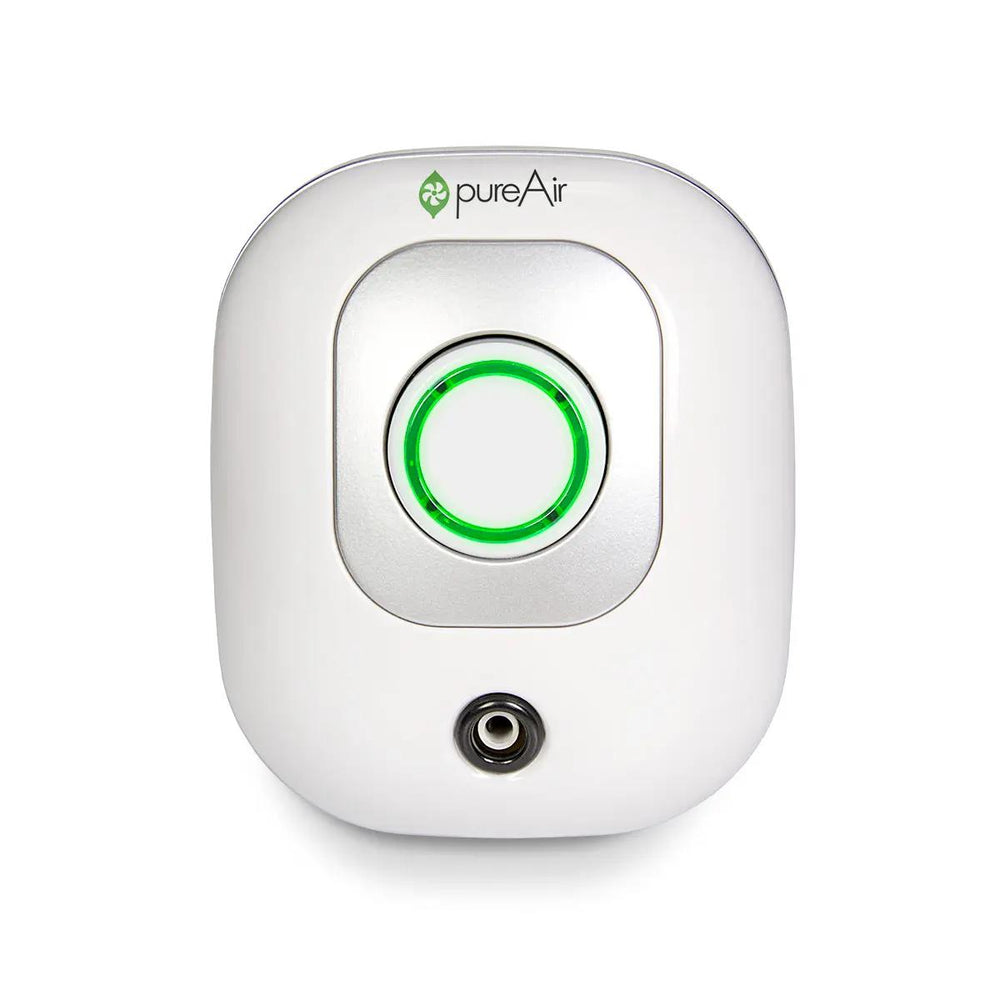
At Proactive Healthcare we offer a selection Air Purification devices to suit your needs ranging from portable devices for travel to Full room or home units. We can offer full support on choosing and using your device, contact us today to speak to an advisor on which PureAir device is best for you.


What makes PureAir Devices the specialist choice?
GreenTech PureAir devices don’t just filter air — they use active purification, meaning they send cleaning molecules out into the room to neutralise pollutants at the source.
Instead of waiting for air to pass through a filter, they actively clean both air and surfaces.
1. ARC® (Active Radiant Catalysis) — the core system
it’s a form of photocatalytic oxidation (PCO). think of it like
creating tiny cleaning particles that move around your room and neutralise pollution
2. Ionisation (air particle control)
The device releases positive and negative ions, these attach to particles like dust, pollen and pet hair. The particles then clump together and fall out of the air
3. Activated oxygen (ozone – controlled levels)
This is used in controlled levels and often adjustable depending on the device to
neutralise strong odours and break down pollutants like smoke or mould
PureAir Advanced Air Purification Technologies


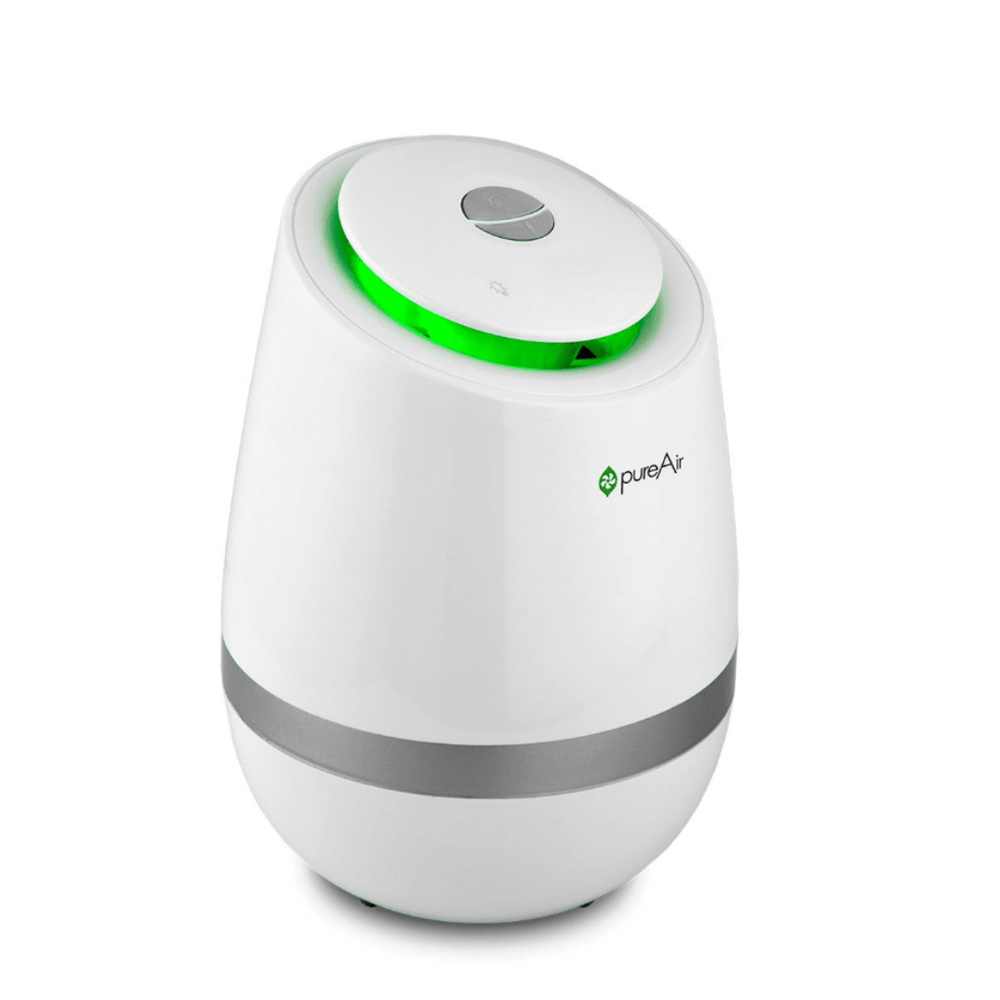
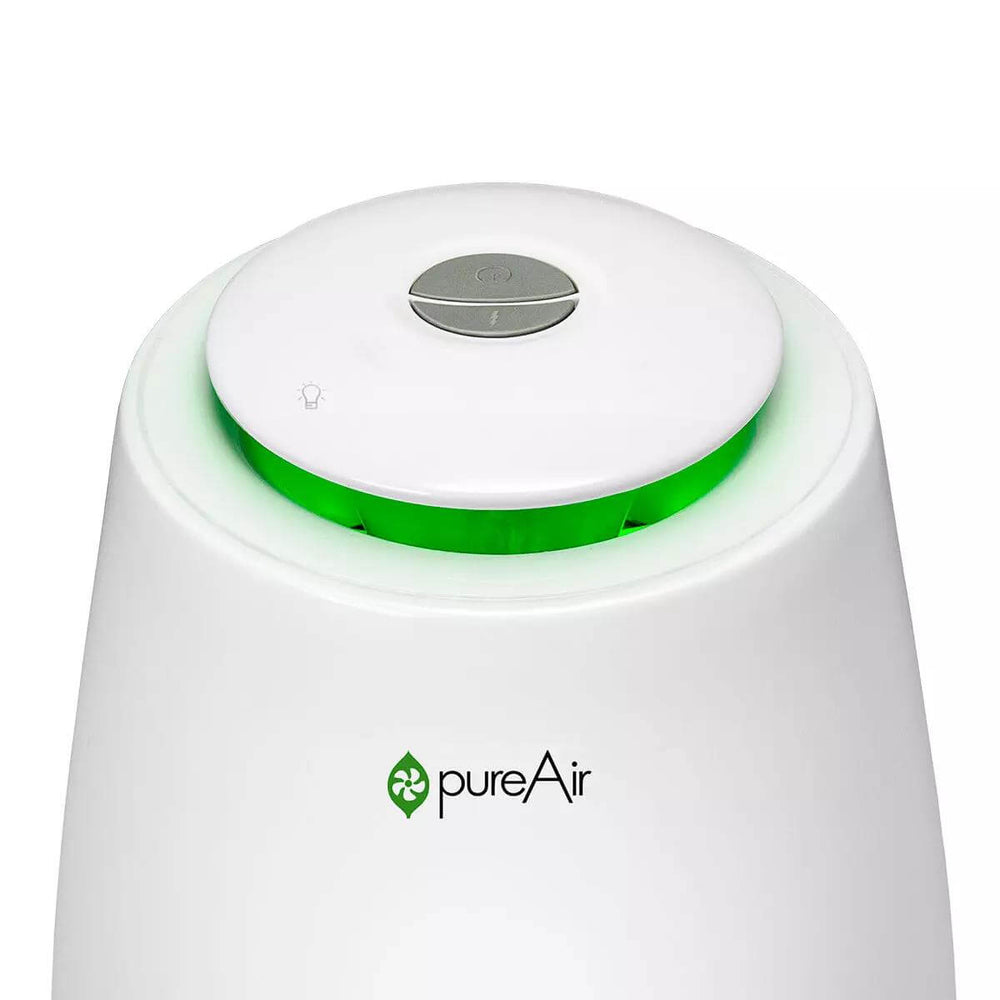
PureAir Collection
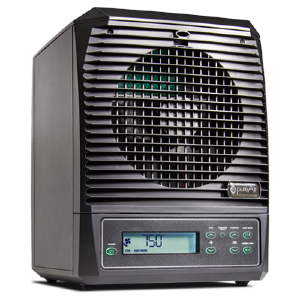
Breathe cleaner air at home or in the office with our specialist range of air purifiers

PureAir Customer Reviews
GreenTech Environmental Video
ARC® Active Air Purification Technology
GreenTech Environmental uses Active Radiant Catalysis (ARC®), to reduce dangerous pathogens by over 99%. Featuring the same purification technology developed and used by NASA, their wide variety of products actively purify a range of indoor spaces to continuously clean the air and surfaces

PureAir Air Purification FAQs
What is PureAir technology?
PureAir technology uses an advanced form of active air purification, meaning it doesn’t just filter air that passes through the unit. Instead, it releases cleaning molecules into the room to help reduce airborne particles, odours, and contaminants throughout your space.
How is this different from a standard air purifier?
Traditional air purifiers work by pulling air through filters.
PureAir systems go further by actively sending purification into the room, helping to address pollutants in the air and on surfaces, not just inside the device.
What is Active Radiant Catalysis (ARC®)?
ARC® is the core technology used in PureAir devices. It uses light and a catalytic process to create safe oxidising molecules that help break down pollutants like odours, airborne particles, and certain contaminants.
What does ionisation do?
Ionisation releases charged ions into the air that attach to particles like dust, pollen, and pet dander. This causes them to cluster together, making them easier to remove from the air.
Do PureAir devices produce ozone?
Some PureAir models produce small, controlled amounts of activated oxygen (ozone). These levels are adjustable and are designed to help reduce odours and pollutants. Always follow manufacturer guidelines for safe use.
Are PureAir devices safe to use at home?
Yes, when used according to the manufacturer’s instructions, PureAir devices are designed for safe everyday use in homes, offices, and other indoor spaces.
Can PureAir help with allergies?
PureAir systems are designed to help reduce airborne particles such as dust, pollen, and pet dander, which may help create a more comfortable environment for allergy sufferers.
Will it remove odours from pets or smoke?
Yes, PureAir technology is designed to help neutralise common indoor odours such as cooking smells, pet odours, and smoke by breaking them down at a molecular level.
How often do filters need to be replaced?
This depends on the model and usage, but typically filters (if included) should be checked every few months and replaced as recommended by the manufacturer.
Where should I place the device?
For best results, place the unit in an open area where airflow is not blocked. Avoid placing it directly behind furniture or in enclosed spaces.